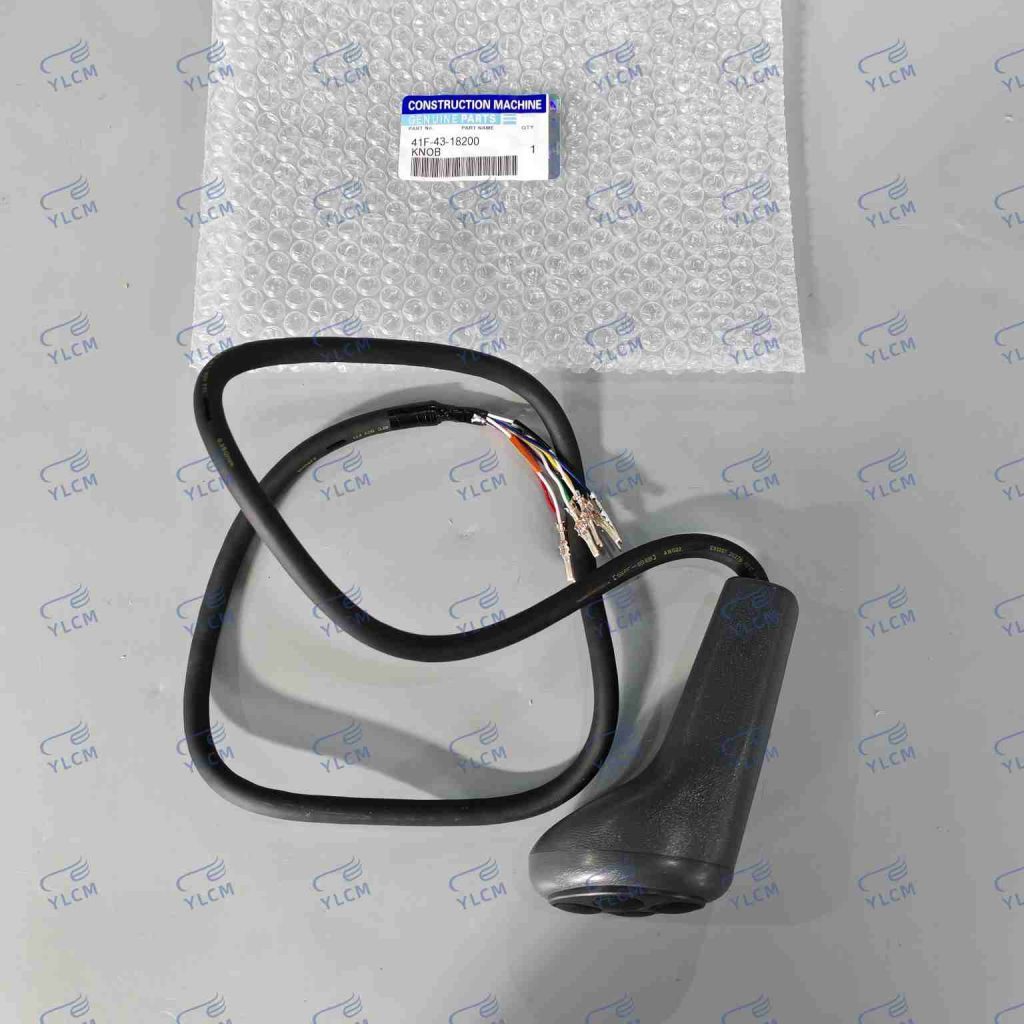
Locating the appropriate heavy equipment parts can be an difficult task for some operator . The guide delivers some complete look at approaches for finding reliable replacement heavy equipment parts. Think about factors like OEM fitment , availability , rate, and delivery durations to ensure the user get exactly what you’re . Do not compromising for inferior components – acquiring in quality heavy equipment parts is going to extend the fleet's durability and reduce downtime .
Heavy Equipment Parts : Boosting Operational Time & Minimizing Maintenance Costs
Maintaining a fleet of earthmoving vehicles demands a strategic approach to heavy equipment parts management. Unplanned malfunctions can quickly derail project schedules and increase operational expenditures. Therefore, prioritizing reliable heavy equipment parts, establishing a preventative component replacement program, and improving inventory levels are critical to ensuring operational time and limiting overall costs. Obtaining manufacturer's heavy equipment parts can often prove more economical in the long run due to enhanced wear longevity and decreased replacement frequency.
Vital Heavy Equipment Parts You Require Know
Maintaining your fleet relies heavily on understanding important heavy equipment parts. Preventative servicing involves knowing the function of core items like fluid hoses, motor filters, steel treads, and pins . Ignoring these necessary elements can lead expensive downtime and impact efficiency. Understanding yourself with these primary heavy equipment parts can keep your jobsites running smoothly.
Sourcing Authentic Heavy Equipment Parts: What to Look For
Finding real substitute heavy equipment parts for your large equipment can be a challenge , but ensuring authenticity is critical . Look for vendors who are affiliated with the parts producer directly, offering verifiable production sources . Check the wrapping for legitimate markings and confirm part numbers against the original equipment catalog . Beware of unusually low rates, as they often suggest fake items. Finally, evaluate feedback from other equipment users regarding the supplier's reputation and reliability in delivering quality heavy equipment parts.
Replacing Heavy Equipment Parts: A Step-by-Step Guide
When your construction machinery experiences issues with specific components, replacing heavy equipment parts is often necessary to ensuring productivity . This guide provides a simplified phased approach for most heavy equipment parts replacements . First, thoroughly locate the correct part number. Then, gather the needed heavy-duty tools and safety gear . Next, disconnect any pneumatic hoses and securely brace the failing machinery component. Finally, take off the existing component and fit the replacement one, reversing the removal procedures . heavy equipment parts Always consult your machinery's detailed maintenance guidebook for precise guidance.
Frequent Heavy Equipment Parts Malfunctions & How to Avoid Them
Many heavy machinery users face recurring issues due to premature heavy equipment parts malfunction. Frequently , hydraulic lines crack due to severe wear, resulting in fluid leaks and reduced hydraulic efficiency . Undercarriage belts experience breakage from abrasive terrain, while turbochargers can suffer from excessive heat if maintenance is skipped. To minimize these situations , scheduled component inspections are essential, including checking oil levels, undercarriage pressure, and screen condition. Proper greasing of moving heavy equipment parts, alongside sticking to manufacturer guidelines for maintenance , can significantly extend the lifespan of your gear and reduce costly repairs .
The Future of Heavy Equipment Parts: Technology & Innovation
The landscape of heavy equipment parts is undergoing a dramatic shift , fueled by accelerated technological advancements and innovative solutions. We’re seeing a transition beyond traditional distribution networks towards more digitized platforms. Artificial intelligence is poised to play a vital role, predicting heavy equipment parts failures before they occur and streamlining maintenance schedules. Furthermore, on-demand fabrication promises custom component production, minimizing lead times and enhancing responsiveness. Expect to see a greater emphasis on telematics , allowing technicians to resolve component issues remotely . The future includes:
- Proactive heavy equipment parts replacement
- Secure record technology for part traceability
- Connected sensors for instant component evaluation
- Sustainable parts and reuse practices
This blend of technologies promises a productive and dependable future for heavy equipment parts, supporting fleet operators and service providers alike.
Understanding Heavy Equipment Parts Numbers & Compatibility
Navigating the world of replacement heavy equipment parts can be tricky , particularly when attempting to identify the accurate part for your loader. Understanding heavy equipment parts numbers and undercarriage fit is crucial for minimizing costly mistakes and ensuring peak operational function . These part codes are specific identifiers, often incorporating manufacturer data and exact component specifications . Thorough research, consulting the operator's manual, or utilizing virtual heavy equipment parts directories are suggested steps to confirm right component choice and avoid conflicts.
Cost-Effective Solutions for Heavy Equipment Parts
Finding affordable substitute heavy equipment parts for your earthmoving equipment doesn't have to be a difficult process. Many alternatives exist to reduce spending without compromising reliability. Consider exploring remanufactured heavy equipment parts, which often offer considerable reductions compared to factory original OEM components . Furthermore, obtaining directly from alternative heavy equipment parts distributors or leveraging digital platforms can often uncover even more chances for budget-conscious component procurement .
Heavy Equipment Parts: Upkeep Guidelines for Durability
To maximize the useful life of your expensive heavy equipment parts, regular checks are absolutely essential. Consistent assessment of core heavy equipment parts such as cylinders, fuel systems, and track chains can identify minor issues before they lead to major repairs. Remember to follow the supplier's recommended oiling schedule and apply only approved heavy equipment parts for replacements. Finally, careful storage of parts when being transported will minimize damage and contribute to their overall durability.
Finding the Optimal Suppliers for Your Heavy Equipment Parts Needs
Securing dependable heavy equipment parts for your gear is essential to maintaining operational output. Choosing the appropriate heavy equipment parts suppliers requires thorough consideration. Assess potential vendors based on aspects such as inventory levels , rates, shipping schedules , and assistance. Explore suppliers with a proven track record, good reputation, and the ability to deliver quality heavy equipment parts efficiently. Don't overlook to request references and analyze quotes from various sources before making a definitive determination.
Specialized Heavy Equipment Parts: A Detailed Overview
Procuring quality heavy equipment parts and earthmoving hardware components requires a understanding of specific requirements. These aren't your typical machinery items; they’re critical for the functionality of expensive machines like excavators and cranes . Finding the appropriate replacement heavy equipment parts involves considering elements such as maker alignment, chassis designation , and metallurgy details . A complete evaluation of these details ensures minimal jobsite disruption and maximum machine output. Furthermore, the accessibility of experienced guidance can be priceless when dealing with these complex heavy equipment systems .